Mezrab storytelling


On March 30th, I stepped onto the stage at Mezrab, Amsterdam’s renowned House of Stories, to share my experience with Vipassana meditation before a live audience of 300 people. It was both exhilarating and humbling to be part of such a vibrant storytelling community, where tales come alive and listeners are invited into new worlds of imagination and insight.
I chose to talk about Vipassana—often called “insight meditation”—and how it offers a powerful way to understand and control the mind. My story began with a simple metaphor: imagine your mind as a television, with thoughts and emotions flickering across the screen. Normally, we’re at the mercy of whatever channel is playing, reacting impulsively to each sensation or story that arises.
Vipassana, I explained, is like discovering a remote control for your mind. Instead of being lost in the narrative, you learn to observe your thoughts and feelings as they come and go, without getting swept away. This ancient Buddhist practice trains you to sit with discomfort, joy, fear, or boredom—simply noticing, not reacting, and gradually gaining mastery over your inner landscape.
On stage, I described my own journey: the struggle to sit still, the whirlwind of thoughts, and the moments of clarity when I realized I could choose not to be controlled by every passing emotion. I shared how Vipassana rewires the brain, reducing stress, improving focus, and helping us respond to life’s challenges with calm and resilience.
The audience listened intently, some nodding in recognition, others smiling at the metaphor of the mind as a TV. Afterward, several people approached me to share their own meditation experiences or to ask for tips on starting a practice.
Performing at Mezrab was a milestone for me—a chance to connect deeply with others through story, and to show how something as simple as mindful observation can transform the way we experience life. I left the stage grateful for the opportunity and inspired to keep exploring the stories we tell ourselves, and the power we have to change them.

Cheers!
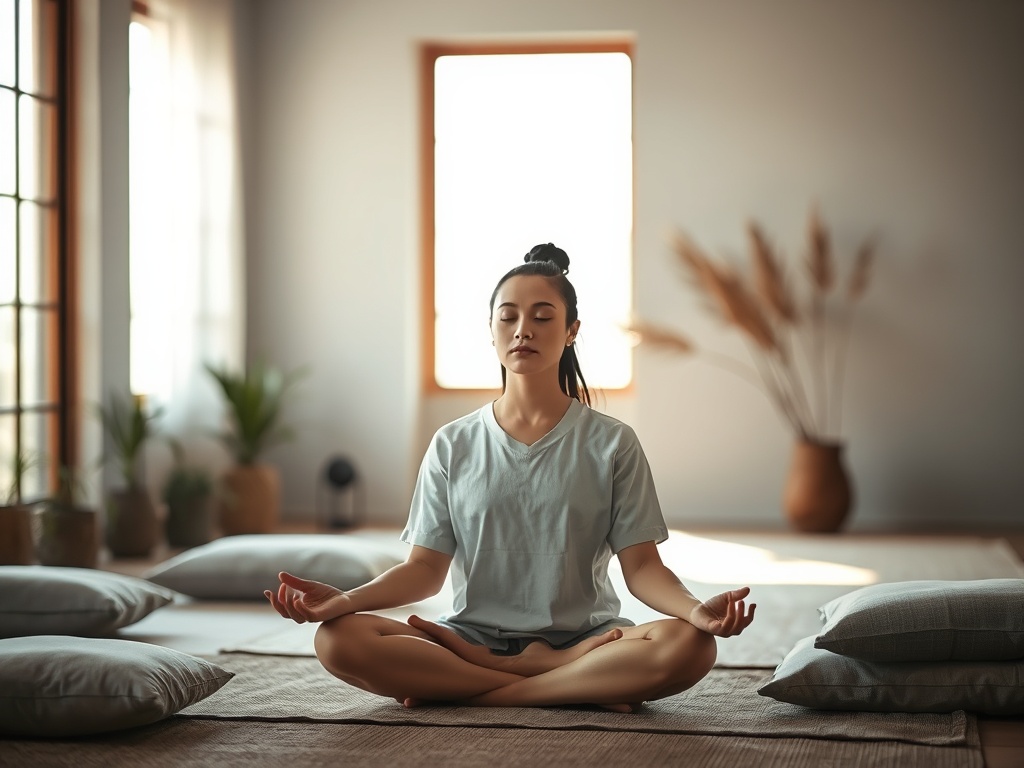
Vipassana Meditation: A Path to Mental Clarity and Peace

As I write this, just days after emerging from my third 10-day Vipassana meditation course, I’m struck by how different everything feels. The same world surrounds me, yet my perception has shifted fundamentally. Like countless others before me, I embarked on this journey in spring of 2017 in Texas, USA following the teachings of S.N. Goenka, seeking something I couldn’t quite name.

The course structure is deceptively simple: ten days of noble silence, meditation from 4:30 AM to 9:00 PM, vegetarian meals, and no external communications. But within this simplicity lies a profound technique for mental purification that has been preserved for over 2,500 years.

The first three days focus solely on Anapana meditation – observing the natural breath. I initially found this frustrating. “Just breathing? For three whole days?” My mind rebelled, churning up forgotten memories, future plans, and endless distractions. But gradually, almost imperceptibly, my attention grew sharper, more focused.

Then came Vipassana proper – the systematic observation of bodily sensations with complete equanimity. Goenka-ji’s evening discourses illuminated the profound wisdom behind this practice. Every sensation, pleasant or unpleasant, shares one characteristic: impermanence (anicca). By observing this truth experientially, we begin to break free from the cycle of craving and aversion that causes our suffering.

The challenges could be intense for many people. Sitting still for hours can bring physical pain. Old memories and emotions surfaced with surprising intensity. Yet the technique offered a practical tool: remain equanimous, observe sensations objectively, and watch them pass away. Through this process, deep-rooted mental patterns (sankaras) gradually dissolve.

What strikes me most was the scientific nature of the technique. This isn’t about adopting new beliefs or joining a religion. It’s a practical method of self-observation and mental purification that anyone can verify through their own experience. As Goenkaji often emphasized, “Truth is truth. Don’t accept it because I say so – experience it for yourself.”

The benefits have been profound. My mind feels clearer, more stable. Reactions that once seemed automatic now have a pause button. There’s a deeper understanding that everything – good or bad – is temporary. Most importantly, I’ve gained a practical tool for continuing this work of mental purification in daily life.

To those considering a Vipassana course: yes, it’s challenging. Yes, it requires dedication. But the potential rewards – genuine peace, mental mastery, and liberation from suffering – are immeasurable. The courses are offered freely, run purely on donations from those who have completed a course and experienced benefits.

As Goenkaji would say, “Be happy!” But not just with blind faith – experience the truth for yourself. May all beings be happy, peaceful, and liberated.

Cheers!

Finding Sacred Rest: A Year-End Practice for Renewal

As another year draws to a close, the impulse to charge ahead with resolutions and plans can be strong. Yet paradoxically, this is precisely when we need to embrace the power of conscious rest.

Like a field lying fallow between harvests, our minds and bodies require periods of deliberate stillness to regenerate. This isn’t the collapse-on-the-couch variety of rest, but rather what Sadhguru calls “dynamic restfulness” – a state of alert relaxation where we’re fully present yet completely at ease.

The most impactful creators and leaders understand this rhythm. Robin Sharma often speaks of the “5AM Club” not just for early rising, but for the profound quiet it provides – moments of solitude before the world’s demands begin their daily cascade. These dawn hours offer a sanctuary for reflection and rejuvenation.

Seth Godin takes this further, suggesting that strategic rest isn’t just personal – it’s professional wisdom. In a world obsessed with constant productivity, choosing to pause is a radical act. It’s in these intervals that our most innovative ideas often surface, like visitors who only arrive when we’ve cleared space to receive them.

As you approach the year’s end, consider giving yourself permission for deep rest. Turn off notifications. Say no to “just one more” commitment. Create pockets of silence in your day. Your future self – refreshed, clear-headed, and ready for the new year – will thank you for this gift.

Remember: Rest isn’t the opposite of productivity – it’s its foundation. In the quiet spaces between our doing, we rediscover who we are becoming.

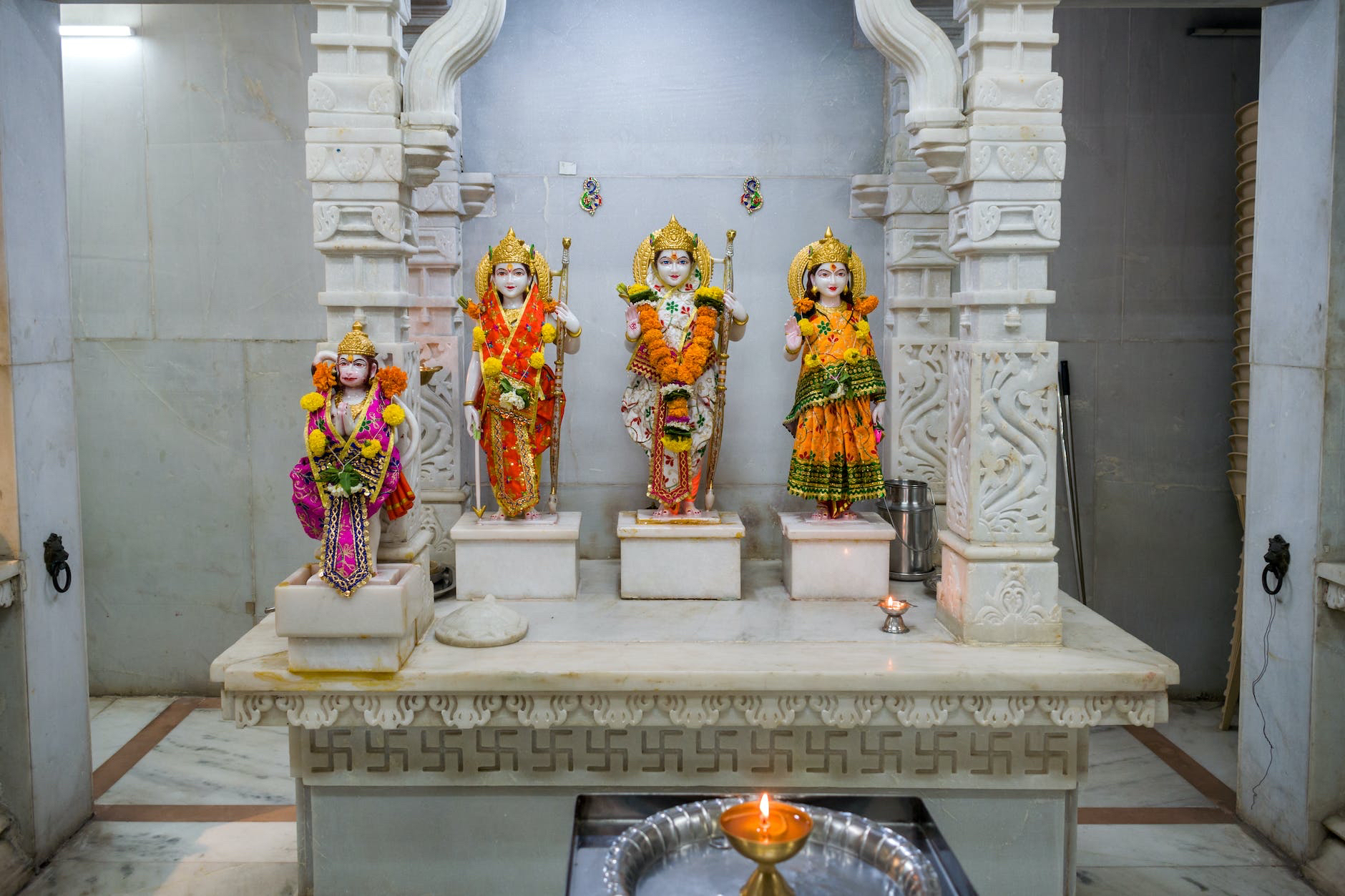
Ram Navami

Ram Navami is a Hindu festival that celebrates the birth of Lord Rama, one of the most revered deities in Hinduism. The festival is usually celebrated in the spring, on the ninth day of the Hindu month of Chaitra. It is a time of great joy and celebration, with devotees offering prayers, fasting, and performing puja (worship) rituals.

The story of Lord Rama is a central part of Hindu mythology, and his life is considered an embodiment of righteousness, virtue, and compassion. Ram Navami is an opportunity to reflect on these qualities, and to strive to cultivate them in our own lives.

During the festival, people decorate their homes and temples with flowers and lights, and offer special prayers and offerings to Lord Rama. Many also participate in processions and parades, singing devotional songs and sharing sweets and snacks with friends and family.

Ram Navami is a time of renewal and spiritual awakening, a reminder of the power of faith and devotion to overcome adversity and to live a life of compassion and love.

Cheers!