Back to Vancouver: Rekindling Friendships and Wild Nature After Two Years

There are places in our lives that never truly leave us, even when we physically move away. Vancouver is one such place for me. After two years of living elsewhere, I recently had the chance to return for a holiday trip, and it felt like coming home to a familiar embrace – one filled with cherished friendships and the untamed beauty of nature that defines this remarkable city.

Reconnecting with Dear Friends

The moment I stepped off the plane, I felt the excitement building. This trip wasn’t just about revisiting a city; it was about reuniting with the friends who had become family during my time in Vancouver. We gathered at our old favorite coffee shop, and it was as if no time had passed at all. The laughter came easily, the conversations flowed naturally, and the shared memories created a bridge across the two years we’d been apart.

We spent evenings catching up over dinner, sharing stories about our lives since I moved away. There were new chapters to hear about – career changes, new relationships, personal milestones – but the core of our friendship remained unchanged. These reunions reminded me that true friendships aren’t weakened by distance or time; they’re strengthened by the genuine care we hold for each other.

Embracing Vancouver’s Wild Nature

While reconnecting with friends filled my heart, reconnecting with Vancouver’s wild nature renewed my spirit. I had forgotten just how accessible and breathtaking the natural beauty is here. Within minutes of leaving downtown, you can find yourself surrounded by towering cedar trees, mountain vistas, and the fresh scent of the Pacific Northwest.

I spent a magical afternoon hiking through the trails of Lynn Canyon, where the forest felt alive with the sound of rushing water and birdsong. Standing on the suspension bridge, I was reminded of the raw power and serene beauty that coexist in this landscape. Another day, I walked along the seawall at sunset, watching the mountains paint themselves against the fading light while eagles soared overhead. These moments of being immersed in nature provided a profound sense of peace and perspective that I had been missing.

The Value of Returning

This trip back to Vancouver taught me something invaluable: returning to the places that shaped us can be both healing and enlightening. It allowed me to see how much I’ve grown while also appreciating the roots I established there. The city itself seemed to welcome me back, not as a former resident, but as someone who would always have a connection to its streets, trails, and communities.

Leaving Vancouver again was bittersweet, but this time I carried with me a renewed appreciation for the friendships that endure and the natural wonders that continue to inspire. Whether it’s two years or twenty, I now know that some places and people remain constant anchors in our ever-changing lives. Vancouver, with its wild beauty and warm hearts, will always be one of those anchors for me.

Mezrab storytelling


On March 30th, I stepped onto the stage at Mezrab, Amsterdam’s renowned House of Stories, to share my experience with Vipassana meditation before a live audience of 300 people. It was both exhilarating and humbling to be part of such a vibrant storytelling community, where tales come alive and listeners are invited into new worlds of imagination and insight.
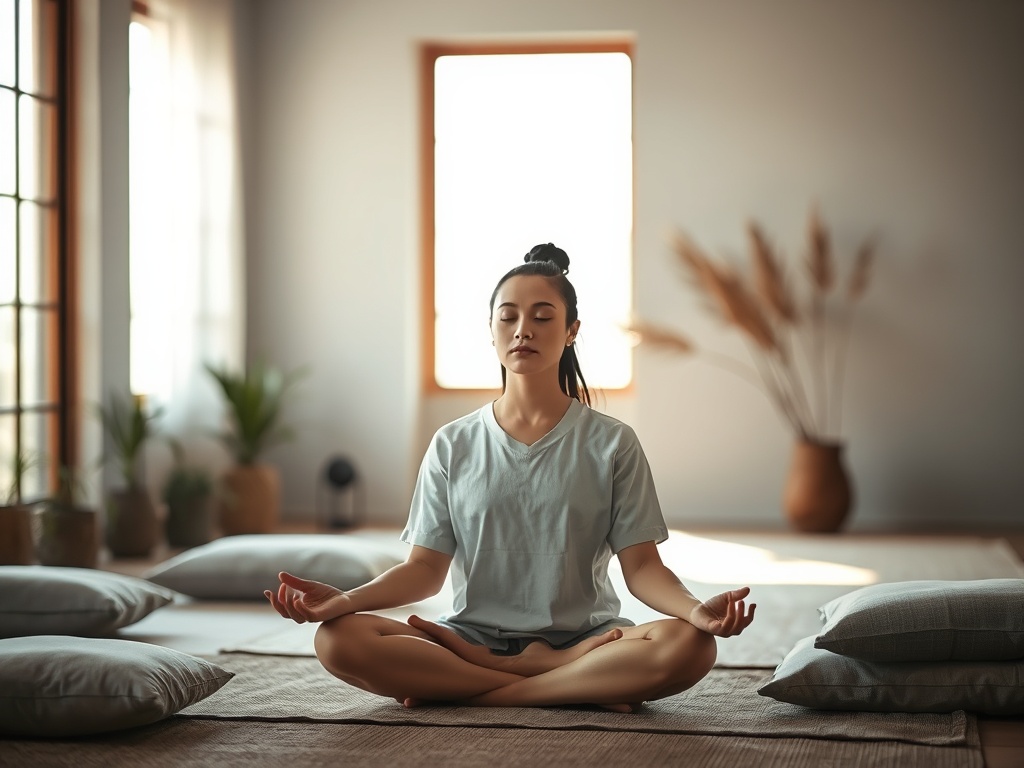
I chose to talk about Vipassana—often called “insight meditation”—and how it offers a powerful way to understand and control the mind. My story began with a simple metaphor: imagine your mind as a television, with thoughts and emotions flickering across the screen. Normally, we’re at the mercy of whatever channel is playing, reacting impulsively to each sensation or story that arises.
Vipassana, I explained, is like discovering a remote control for your mind. Instead of being lost in the narrative, you learn to observe your thoughts and feelings as they come and go, without getting swept away. This ancient Buddhist practice trains you to sit with discomfort, joy, fear, or boredom—simply noticing, not reacting, and gradually gaining mastery over your inner landscape.
On stage, I described my own journey: the struggle to sit still, the whirlwind of thoughts, and the moments of clarity when I realized I could choose not to be controlled by every passing emotion. I shared how Vipassana rewires the brain, reducing stress, improving focus, and helping us respond to life’s challenges with calm and resilience.
The audience listened intently, some nodding in recognition, others smiling at the metaphor of the mind as a TV. Afterward, several people approached me to share their own meditation experiences or to ask for tips on starting a practice.
Performing at Mezrab was a milestone for me—a chance to connect deeply with others through story, and to show how something as simple as mindful observation can transform the way we experience life. I left the stage grateful for the opportunity and inspired to keep exploring the stories we tell ourselves, and the power we have to change them.

Cheers!

Vipassana Meditation: A Path to Mental Clarity and Peace

As I write this, just days after emerging from my third 10-day Vipassana meditation course, I’m struck by how different everything feels. The same world surrounds me, yet my perception has shifted fundamentally. Like countless others before me, I embarked on this journey in spring of 2017 in Texas, USA following the teachings of S.N. Goenka, seeking something I couldn’t quite name.

The course structure is deceptively simple: ten days of noble silence, meditation from 4:30 AM to 9:00 PM, vegetarian meals, and no external communications. But within this simplicity lies a profound technique for mental purification that has been preserved for over 2,500 years.

The first three days focus solely on Anapana meditation – observing the natural breath. I initially found this frustrating. “Just breathing? For three whole days?” My mind rebelled, churning up forgotten memories, future plans, and endless distractions. But gradually, almost imperceptibly, my attention grew sharper, more focused.

Then came Vipassana proper – the systematic observation of bodily sensations with complete equanimity. Goenka-ji’s evening discourses illuminated the profound wisdom behind this practice. Every sensation, pleasant or unpleasant, shares one characteristic: impermanence (anicca). By observing this truth experientially, we begin to break free from the cycle of craving and aversion that causes our suffering.

The challenges could be intense for many people. Sitting still for hours can bring physical pain. Old memories and emotions surfaced with surprising intensity. Yet the technique offered a practical tool: remain equanimous, observe sensations objectively, and watch them pass away. Through this process, deep-rooted mental patterns (sankaras) gradually dissolve.

What strikes me most was the scientific nature of the technique. This isn’t about adopting new beliefs or joining a religion. It’s a practical method of self-observation and mental purification that anyone can verify through their own experience. As Goenkaji often emphasized, “Truth is truth. Don’t accept it because I say so – experience it for yourself.”

The benefits have been profound. My mind feels clearer, more stable. Reactions that once seemed automatic now have a pause button. There’s a deeper understanding that everything – good or bad – is temporary. Most importantly, I’ve gained a practical tool for continuing this work of mental purification in daily life.

To those considering a Vipassana course: yes, it’s challenging. Yes, it requires dedication. But the potential rewards – genuine peace, mental mastery, and liberation from suffering – are immeasurable. The courses are offered freely, run purely on donations from those who have completed a course and experienced benefits.

As Goenkaji would say, “Be happy!” But not just with blind faith – experience the truth for yourself. May all beings be happy, peaceful, and liberated.

Cheers!

Finding Sacred Rest: A Year-End Practice for Renewal

As another year draws to a close, the impulse to charge ahead with resolutions and plans can be strong. Yet paradoxically, this is precisely when we need to embrace the power of conscious rest.

Like a field lying fallow between harvests, our minds and bodies require periods of deliberate stillness to regenerate. This isn’t the collapse-on-the-couch variety of rest, but rather what Sadhguru calls “dynamic restfulness” – a state of alert relaxation where we’re fully present yet completely at ease.

The most impactful creators and leaders understand this rhythm. Robin Sharma often speaks of the “5AM Club” not just for early rising, but for the profound quiet it provides – moments of solitude before the world’s demands begin their daily cascade. These dawn hours offer a sanctuary for reflection and rejuvenation.

Seth Godin takes this further, suggesting that strategic rest isn’t just personal – it’s professional wisdom. In a world obsessed with constant productivity, choosing to pause is a radical act. It’s in these intervals that our most innovative ideas often surface, like visitors who only arrive when we’ve cleared space to receive them.

As you approach the year’s end, consider giving yourself permission for deep rest. Turn off notifications. Say no to “just one more” commitment. Create pockets of silence in your day. Your future self – refreshed, clear-headed, and ready for the new year – will thank you for this gift.

Remember: Rest isn’t the opposite of productivity – it’s its foundation. In the quiet spaces between our doing, we rediscover who we are becoming.

Finding Wisdom in the Quiet Moments: December’s Gift of Reflection

As the year draws to a close and snowflakes begin their gentle descent, December offers us more than just holiday cheer—it presents a profound opportunity for personal renewal and introspection. In the bustling rhythm of life, we often forget the most crucial lesson: the importance of pausing, breathing, and truly understanding ourselves.

The wisdom of life’s great teachers reminds us that our most significant growth happens not in constant motion, but in moments of stillness. Like Morrie Schwartz from “Tuesdays with Morrie” taught us, life is about learning to slow down and appreciate the simple, meaningful moments. Similarly, Robin Sharma’s insights from “Who Will Cry When You Die” emphasize the transformative power of intentional living and self-reflection.

The Art of Meaningful Rest

December is not just an end, but a beautiful beginning. It’s a natural checkpoint where we can:

  • Evaluate Our Journey: Look back at the past eleven months with compassion and curiosity. What challenges did you overcome? What unexpected joys did you discover?
  • Recharge Your Spirit: Allow yourself genuine rest. This isn’t about productivity, but about nurturing your inner landscape.
  • Set Intentional Directions: Reflect on your dreams, not as rigid goals, but as gentle aspirations that can guide your next steps.

Practical Reflection Practices

Consider creating space for:

  • Journaling your year’s significant moments
  • Meditation or quiet contemplation
  • Conversations with loved ones about shared experiences
  • Gratitude practices that honor both your struggles and successes

Remember, taking a break isn’t a luxury—it’s essential maintenance for your mental, emotional, and spiritual well-being. In the words of these profound thinkers, life is not about constant achievement, but about meaningful experiences and personal growth.

This December, give yourself the extraordinary gift of pause. Listen to your inner wisdom, celebrate your journey, and prepare for the beautiful unknown ahead.

Cheers!

Amit

Family Values: The Ultimate Network Effect

In a world obsessed with optimization and scalability, we often overlook the most powerful network we’ll ever have: family. While I’ve spent years thinking about wealth creation and philosophical truths, I’ve come to realize that family might be the ultimate compound interest of life.

Think of family as a decentralized system built on trust. Each member is a node, connected through unbreakable smart contracts written not in code, but in blood and shared experiences. The returns aren’t measured in dollars or cryptocurrencies, but in moments, growth, and legacy.

Most people focus on expanding their professional networks, chasing Twitter followers, or building their personal brand. But family is the only network where the participants are evolutionarily programmed to have your back. It’s the original DAO (Decentralized Autonomous Organization), running on love instead of tokens.

The modern world pushes us toward individualism, telling us that success is measured by our personal achievements. But this is a local maximum. The true global maximum is building a family system that compounds across generations. Each dinner conversation, each shared struggle, each celebration adds to this compounding effect.

Your family members are your best long-term investors. They’re betting on you not for a 10x return, but for the perpetuation of shared values and wisdom. They provide the ultimate form of accountability – not through smart contracts or legal agreements, but through unconditional commitment.

Like any good investment, family requires patience and consistent input. The dividends might not be immediate, but the long-term yields are unmatched. In a world of artificial scarcity, family creates genuine abundance.

Remember: wealth can be rebuilt, networks can be reformed, but family ties are irreplaceable assets. Invest accordingly.

Cheers!

Summer Fun: Making the Most of Your Family Holiday

As the warm days of summer approach, it’s time to start planning that perfect family getaway. Whether you’re looking for adventure, relaxation, or a bit of both, a summer holiday is an excellent opportunity to create lasting memories with your loved ones.

Choose the Right Destination

Consider a destination that offers something for everyone. Beach resorts provide sun, sand, and water activities, while national parks offer hiking, wildlife spotting, and breathtaking scenery. For a cultural experience, explore a new city or even a different country if your budget allows.

Plan Activities, But Stay Flexible

While it’s good to have a rough itinerary, remember that some of the best moments happen spontaneously. Plan a few key activities but leave room for unexpected discoveries and lazy days by the pool.

Involve the Whole Family

Let each family member choose an activity or destination for one day of the trip. This ensures everyone feels included and excited about the holiday.

Capture the Memories

Encourage everyone to document the trip in their own way. Kids might enjoy keeping a travel journal, while teens could create a family vacation vlog. Don’t forget to take plenty of photos!

Embrace Local Culture

Wherever you go, try to immerse yourself in the local culture. Sample regional cuisines, attend local festivals, or try learning a few phrases in the local language.

Remember, the most important aspect of a family holiday is spending quality time together. Whether you’re building sandcastles on the beach or exploring a new city, these shared experiences will strengthen your family bonds and create memories that last a lifetime.

Cheers!

AMC Model

Attitude, motivation, and commitment are three key components that drive human behavior. These factors are critical for success in personal and professional life.

The AMC model proposes that an individual’s behavior is determined by their attitude, motivation, and commitment towards a particular task or goal. Let’s take a closer look at each of these factors:

Attitude: Attitude refers to an individual’s feelings or beliefs towards a particular task or goal. A positive attitude towards a goal or task can lead to a higher likelihood of success, while a negative attitude can lead to failure. Attitude is influenced by a variety of factors, including past experiences, social influences, and personal values.

Motivation: Motivation refers to an individual’s drive or desire to achieve a particular goal or task. It is the internal or external stimulus that drives an individual to take action towards their goal. Motivation can come from a variety of sources, including personal goals, rewards, recognition, or pressure from external factors.

Commitment: Commitment refers to an individual’s dedication and persistence towards achieving a particular goal or task. It involves making a conscious decision to pursue a goal and sticking to it despite challenges or obstacles. Commitment is influenced by an individual’s values, beliefs, and sense of responsibility towards their goal.

The AMC model suggests that these three factors work together to influence an individual’s behavior. For example, if an individual has a positive attitude towards a goal, they will be more motivated to pursue it. If they are motivated, they are more likely to commit to the goal and put in the effort required to achieve it.

Here are some practical tips for developing a positive attitude, motivation, and commitment:

  1. Focus on the positive aspects of a task or goal, and try to reframe negative thoughts.
  2. Set clear goals and establish a plan for achieving them.
  3. Find sources of motivation, such as rewards or recognition, and use them to stay motivated.
  4. Remind yourself of the reasons why you are committed to a goal and the importance of achieving it.
  5. Surround yourself with positive influences, such as supportive friends or mentors.

Remember, attitude determines altitude, and with the right attitude, motivation, and commitment, the sky is the limit.

Cheers!

Ram Navami

Ram Navami is a Hindu festival that celebrates the birth of Lord Rama, one of the most revered deities in Hinduism. The festival is usually celebrated in the spring, on the ninth day of the Hindu month of Chaitra. It is a time of great joy and celebration, with devotees offering prayers, fasting, and performing puja (worship) rituals.

The story of Lord Rama is a central part of Hindu mythology, and his life is considered an embodiment of righteousness, virtue, and compassion. Ram Navami is an opportunity to reflect on these qualities, and to strive to cultivate them in our own lives.

During the festival, people decorate their homes and temples with flowers and lights, and offer special prayers and offerings to Lord Rama. Many also participate in processions and parades, singing devotional songs and sharing sweets and snacks with friends and family.

Ram Navami is a time of renewal and spiritual awakening, a reminder of the power of faith and devotion to overcome adversity and to live a life of compassion and love.

Cheers!

Purple Cow

The best way to make your mark on the world is to find a way to do something that hasn’t been done before. Seth Godin calls this “the purple cow.”

In a world of commodity, being different is the key to success. Standing out is the only way to get attention. And attention is the key to success. So how do you become a purple cow? It’s not easy, but it’s possible. You need to find a way to be remarkable, to do something that people will talk about. You need to be unique and interesting. It’s not enough to be good. You need to be different. You need to be a purple cow.

Cheers!